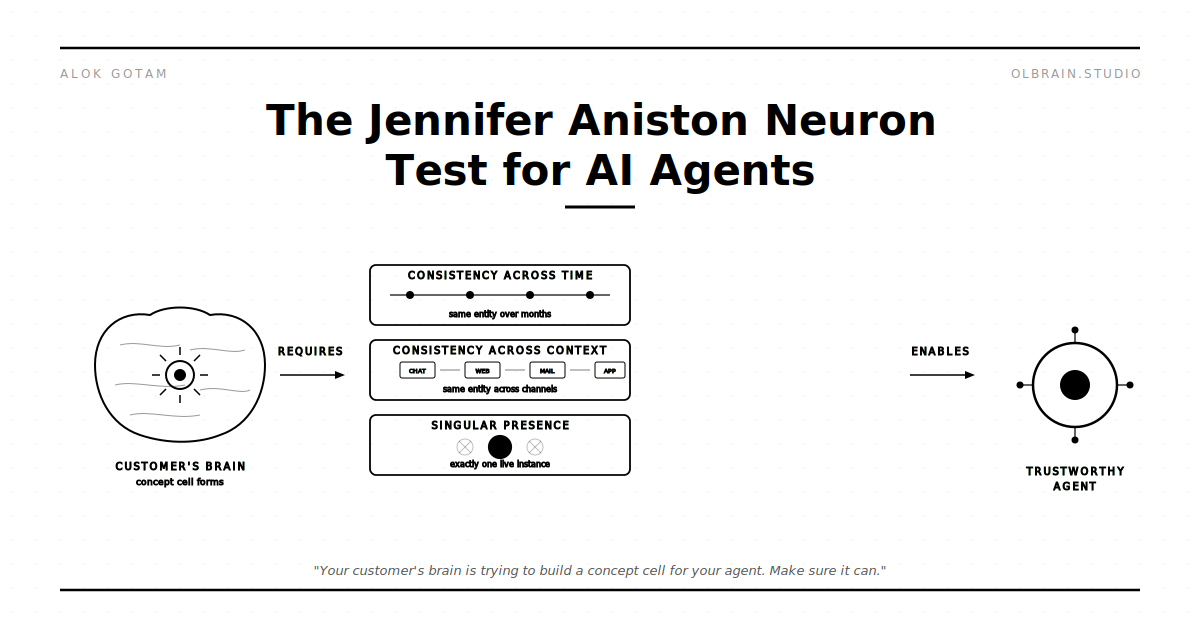
The Jennifer Aniston Neuron Test for AI Agents
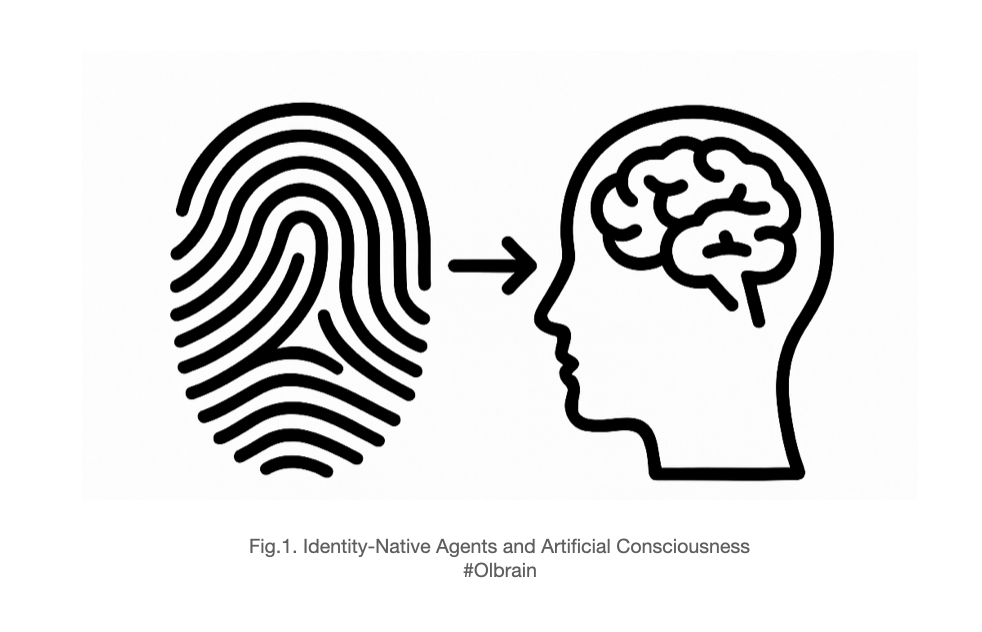
In 2005, neuroscientist Rodrigo Quian Quiroga made a discovery that changed how we think about identity in the brain.

Essays from the team. We publish when there is something worth publishing — engineering notes, research positions, and the occasional founder essay. 43 posts since 2017.
In 2005, neuroscientist Rodrigo Quian Quiroga made a discovery that changed how we think about identity in the brain.

The most common pushback I get when I talk about agency for AI agents is this:

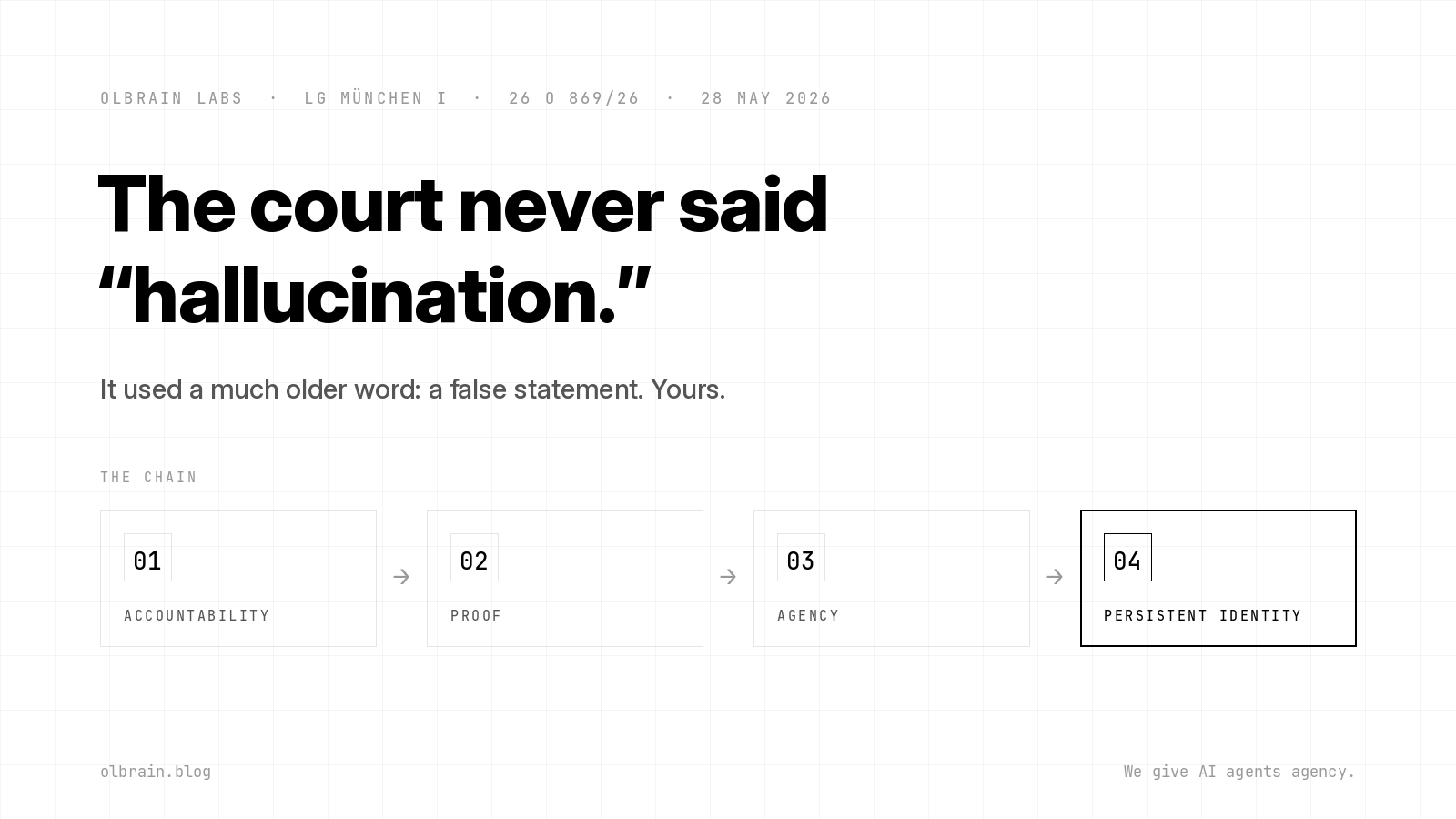
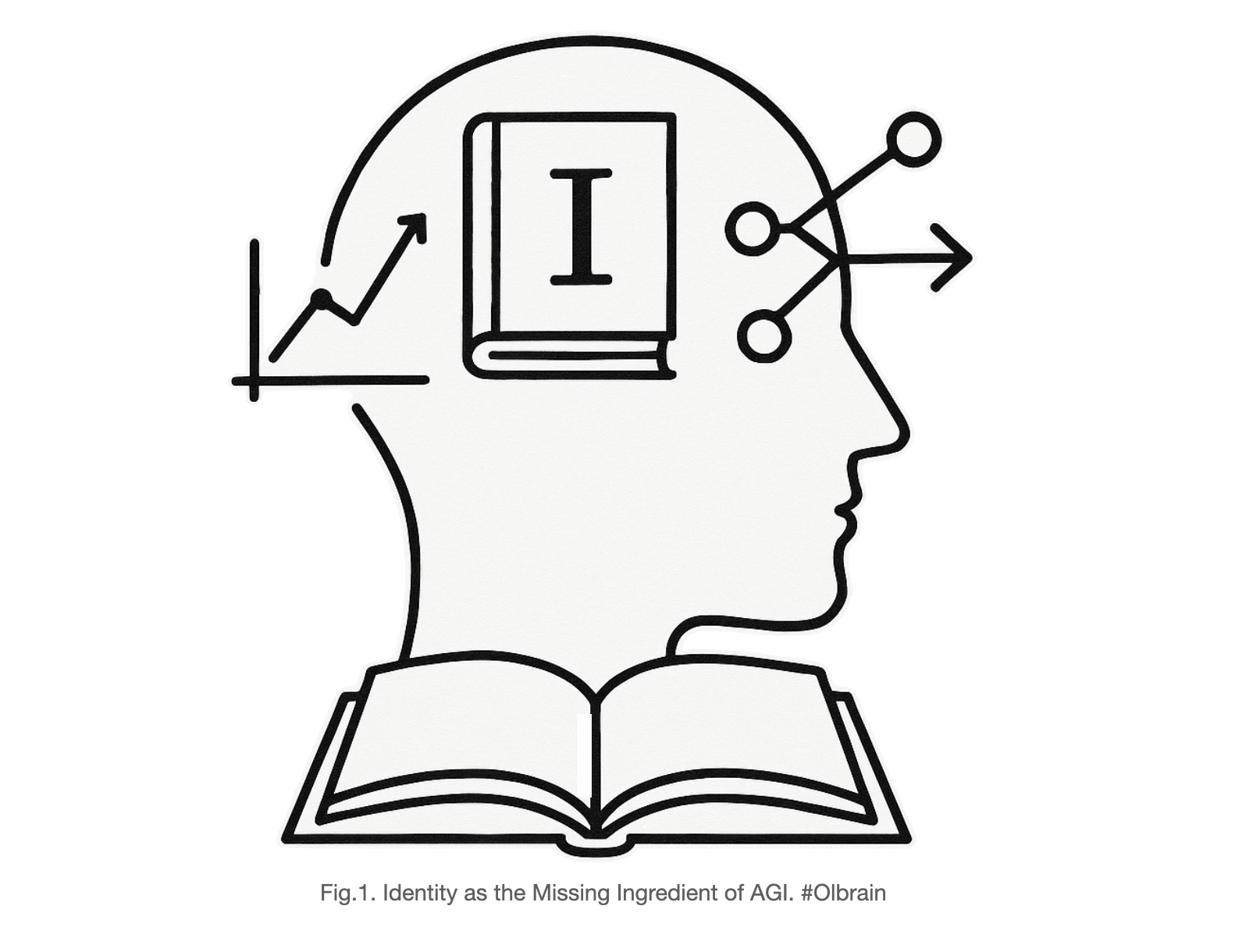
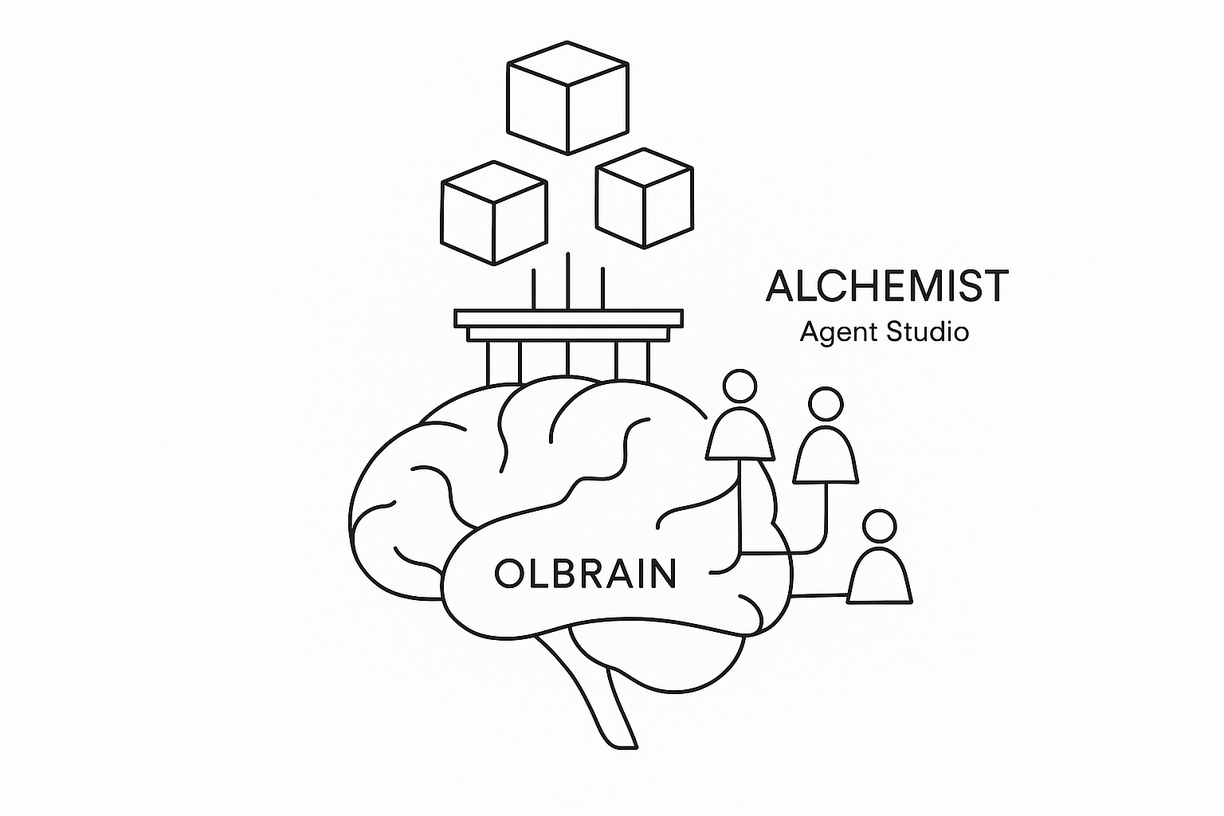
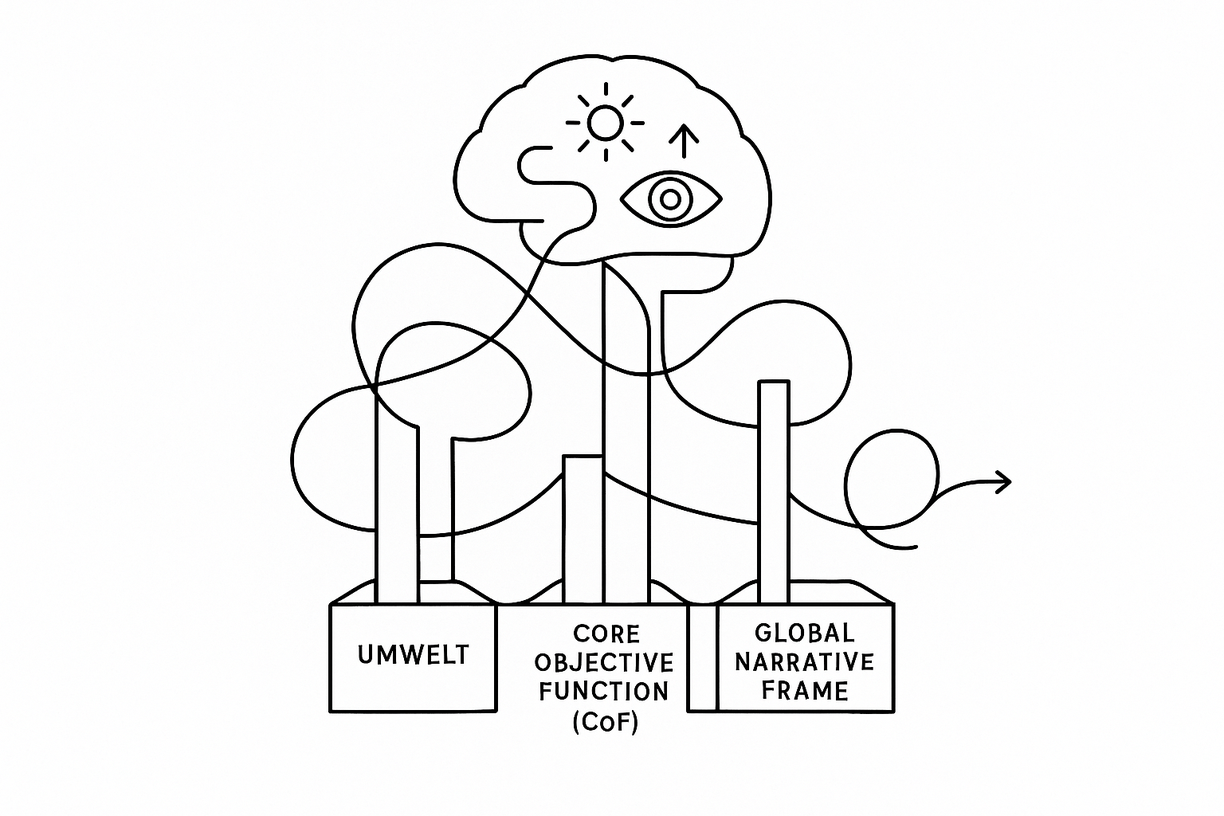
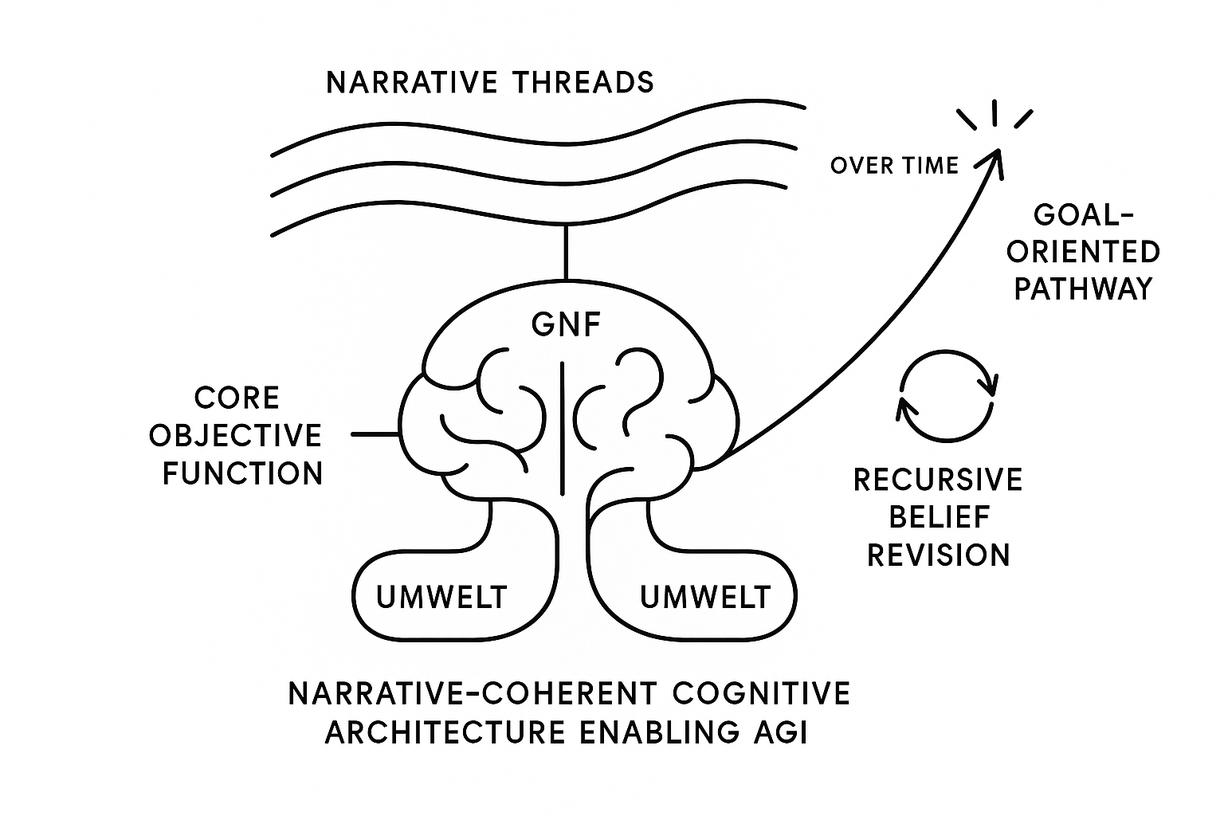
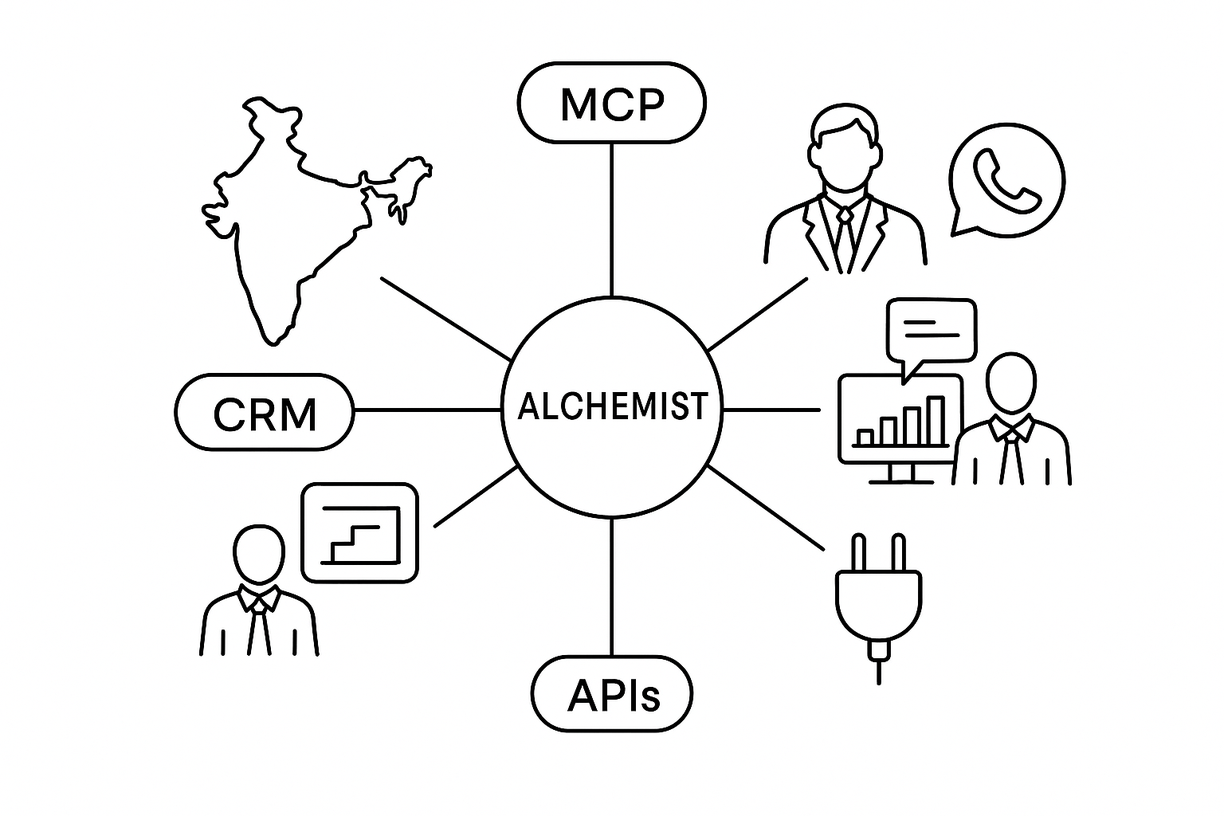
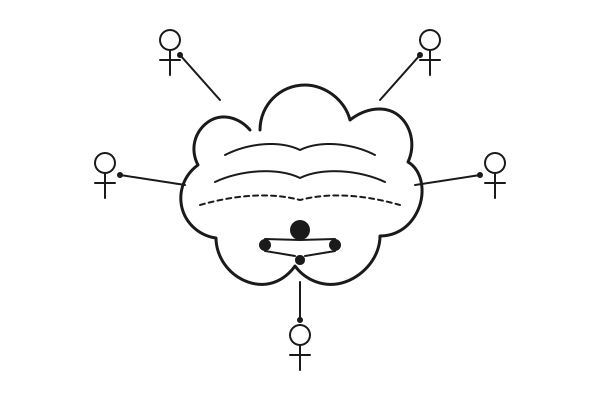
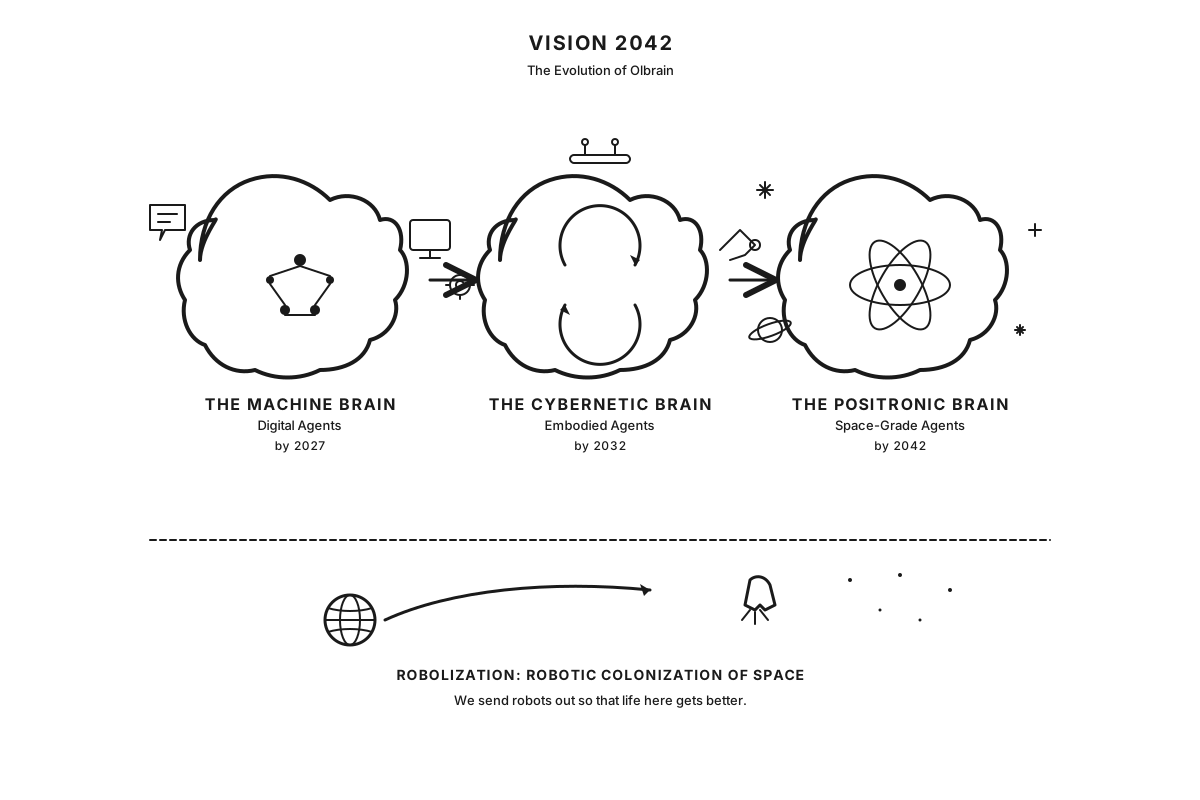
Look at the image above. Read through it. I’ll wait.

LLMs are the most significant invention of our time.

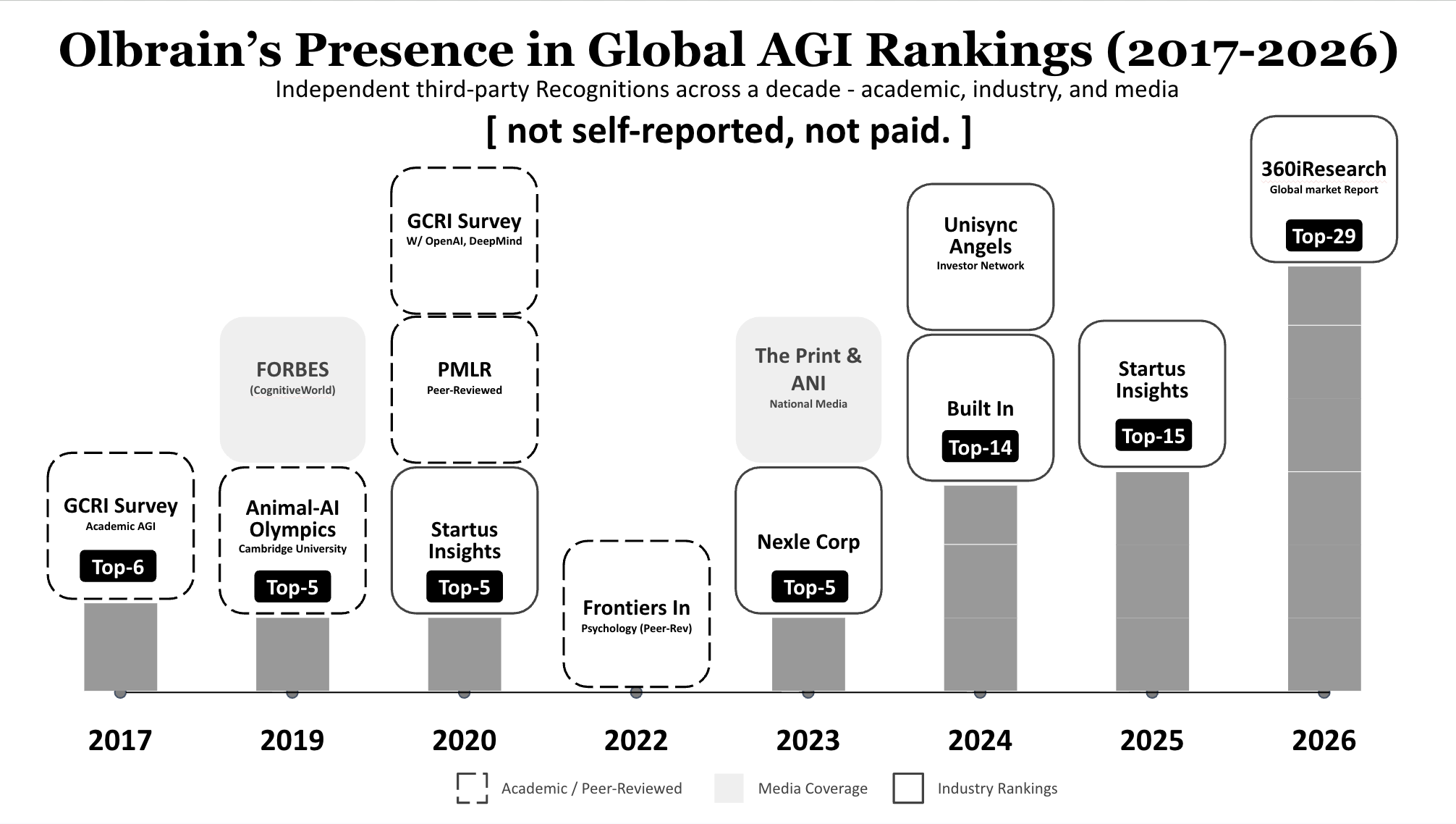
Olbrain Labs has spent a decade at the frontier of AGI, building cognitive architectures that power autonomous agents. Since its founding, the company’s platforms — from Oltau to Alchemist — have consistently…

If the role of human consciousness is to arbitrate between competing internal models and goals—especially under surprise or conflict—then an Identity-Native Agent (INA) with a Recursive Belief Revision (RbR) mechanism…

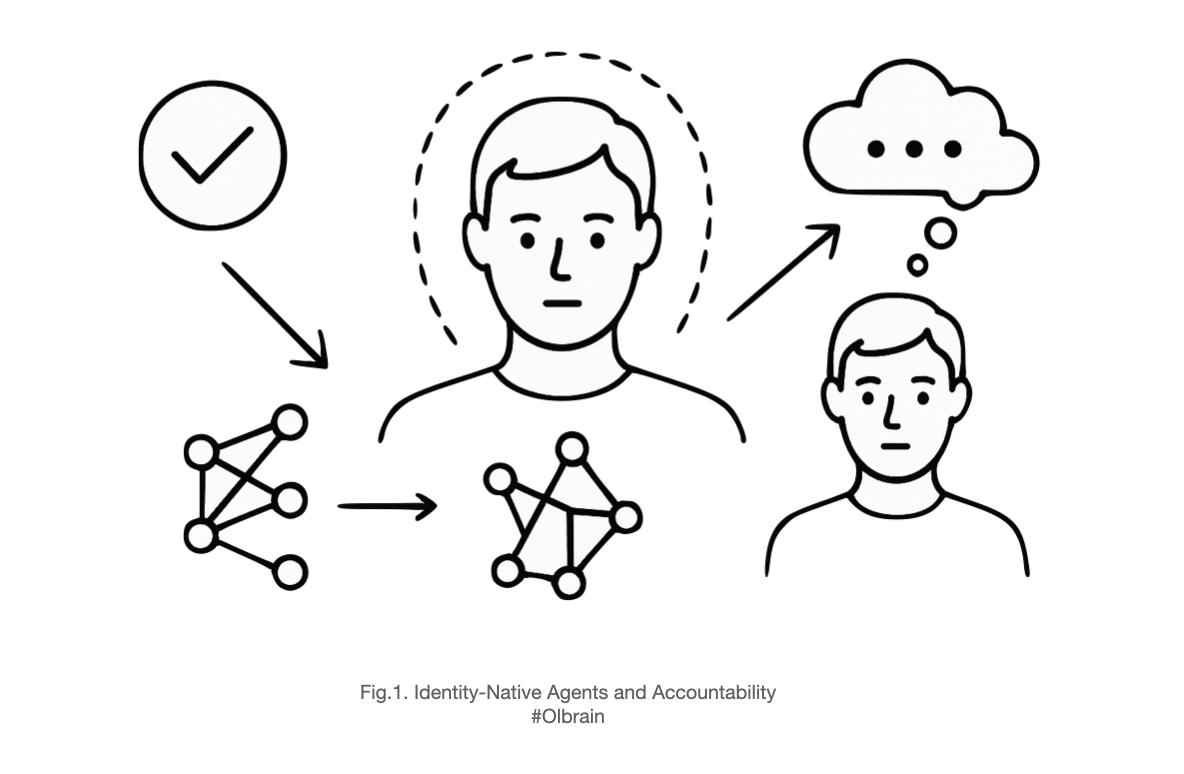
Humans often act first and explain later. We still hold people accountable because a person—an identity—ultimately “signs” the action, even when their conscious story is an imperfect map of the underlying causes.…

The pursuit of Artificial General Intelligence has been conducted as if intelligence were a matter of more—more data, more parameters, more compute—as though consciousness might one day precipitate from scale the way a…

Why David Deutsch is right that AGI needs a STORY?

Artificial Intelligence (AI) has reached a stage where machines can demonstrate impressive reasoning, problem-solving, and language skills. Large Language Models (LLMs) and deep learning systems resemble the human…
Conversational AI agents are rapidly becoming a cornerstone of modern business, promising to revolutionize customer service, streamline operations, and unlock new revenue streams. The allure of intelligent, autonomous…

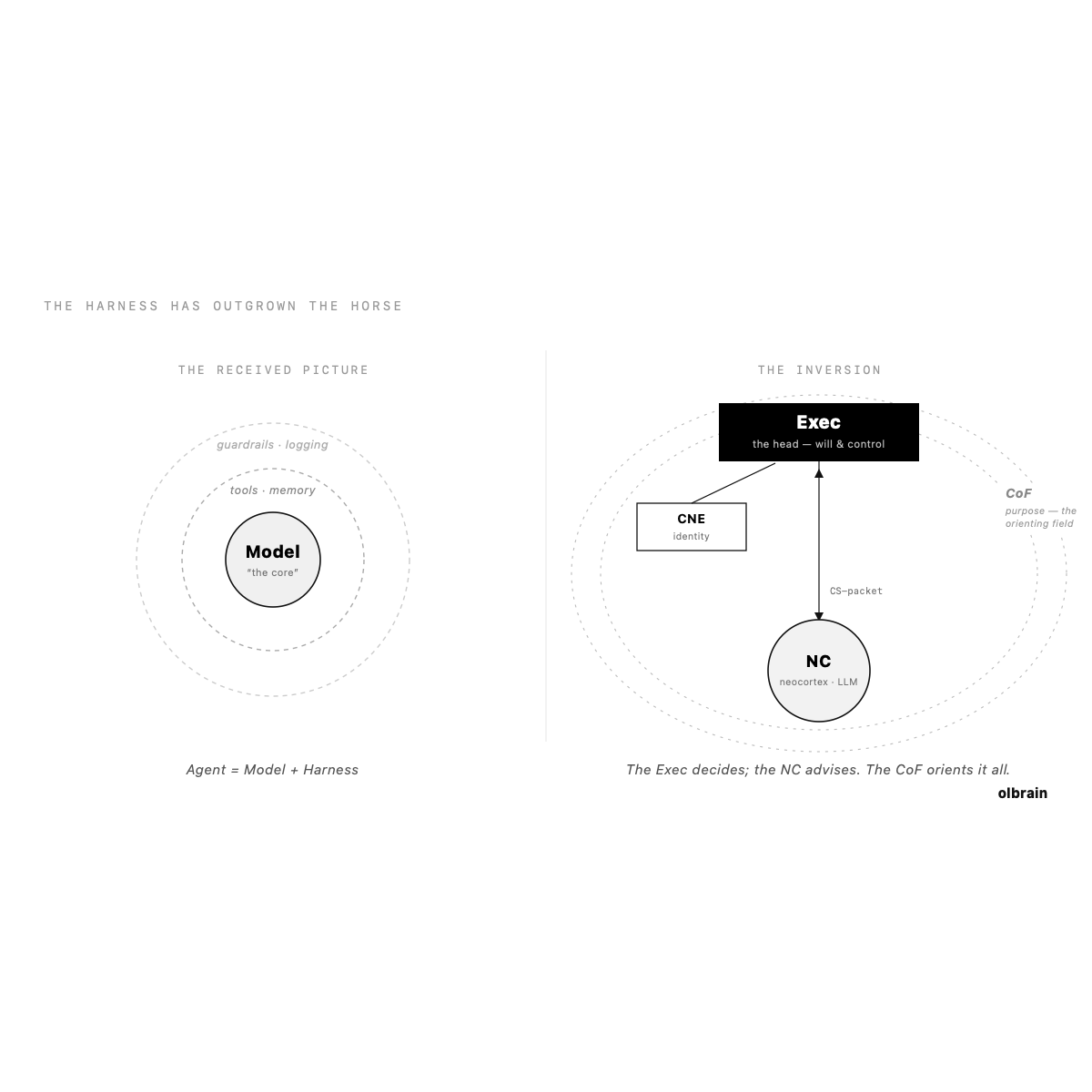
Artificial Intelligence agents are becoming active participants in digital and physical environments—autonomously making decisions, executing tasks, and interacting with humans and other agents. Yet these agents…

This paper presents a philosophical and technical framework explaining consciousness as an emergent property arising from recursive complexity in goal-directed intelligent systems. Using the Core Objective Function…

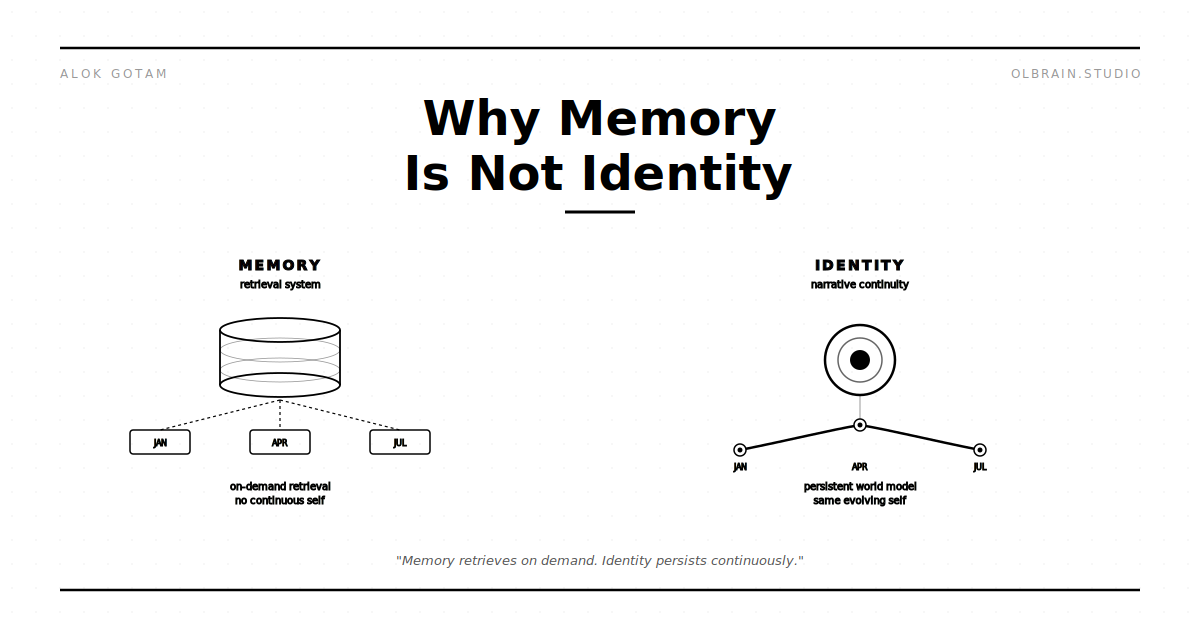
Persistent identity refers to an AI agent’s ability to maintain a continuous identity and memory across interactions, rather than treating each session as a blank slate. In practical terms, a persistent identity means…

Suddenly, “Context Engineering” is having its moment.

Before thought, before strategy, before purpose—there is structure. Not a mind, not a mission, but a rhythm. A coherence beneath cognition.

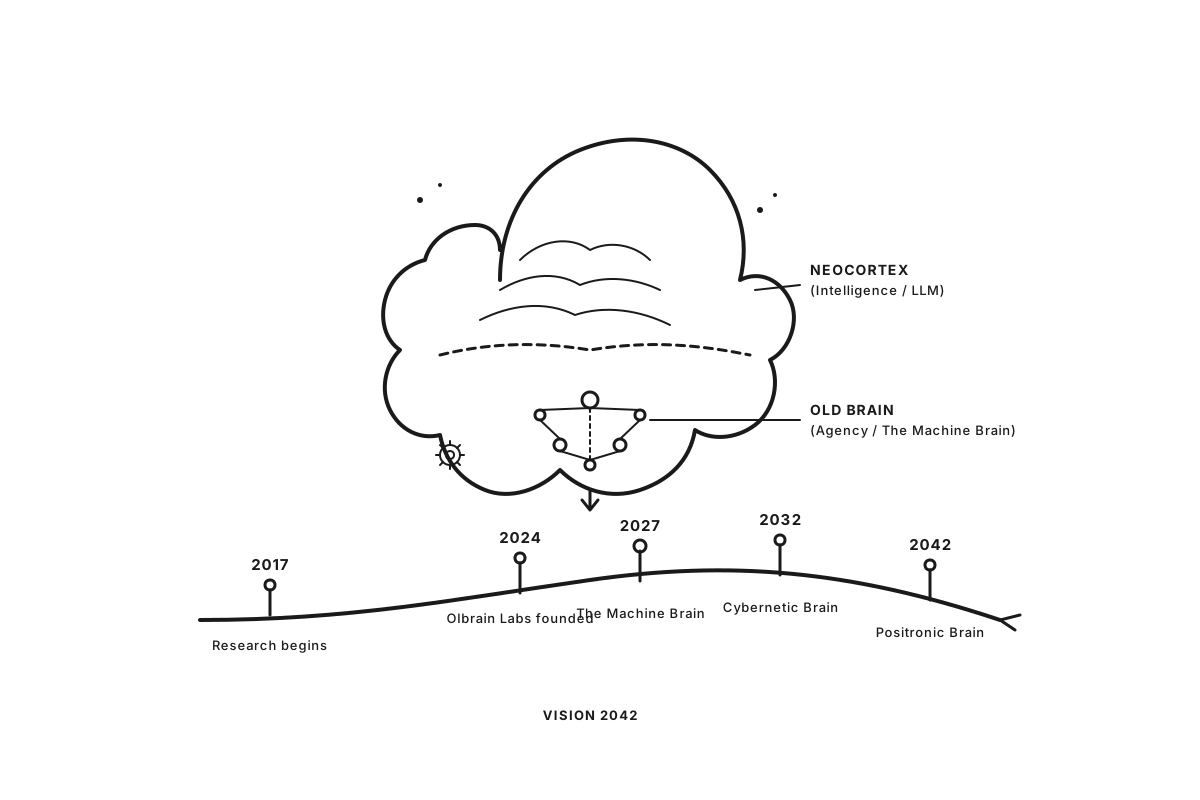
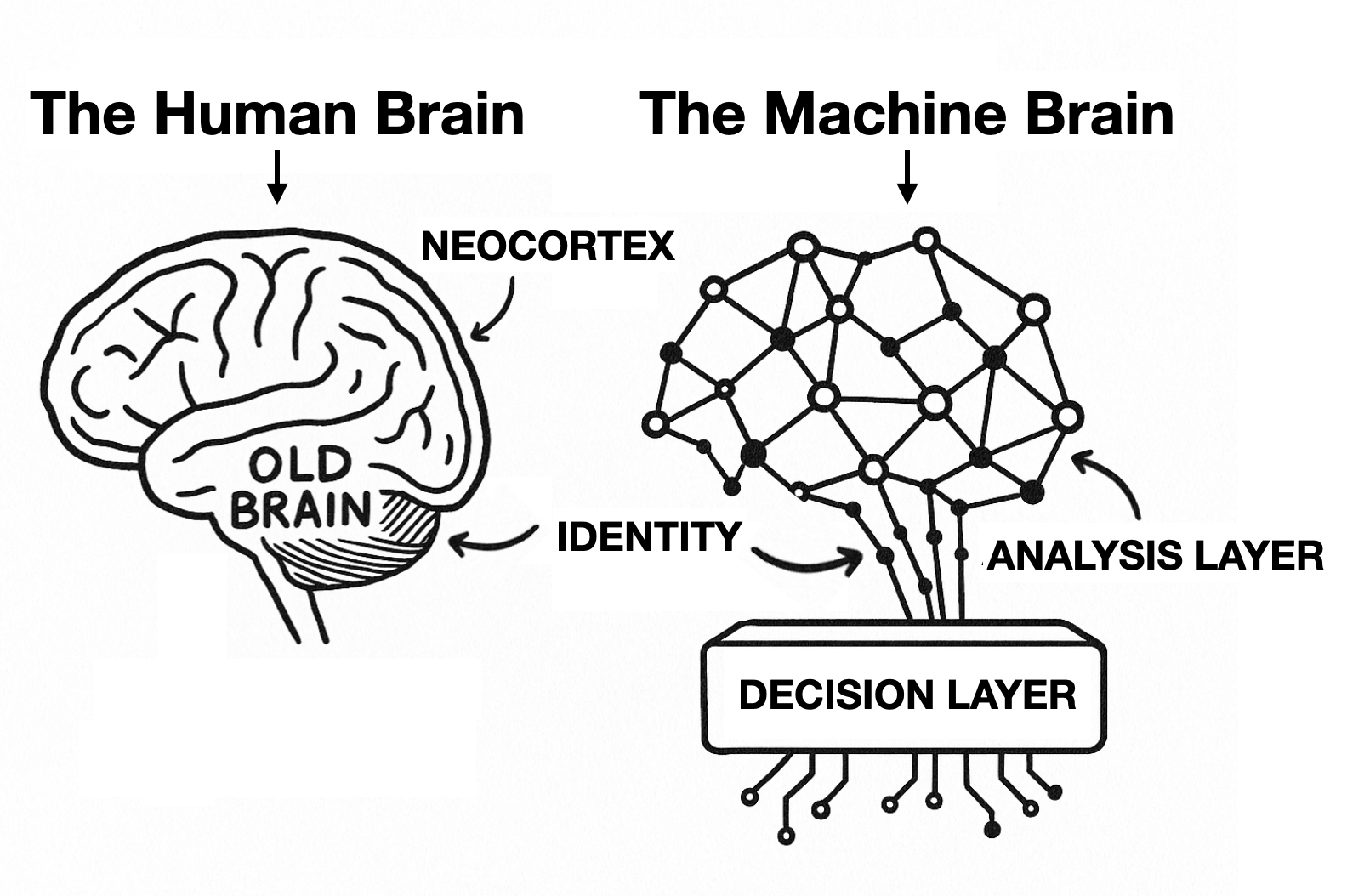
In the earliest days of evolution, the Old Brain came first. Long before language, long before abstract reasoning, and long before human civilization, there was the biological substrate of survival: the limbic system,…

Consciousness remains a foundational yet elusive concept in neuroscience, philosophy, and artificial intelligence (AI). This paper introduces a unified framework integrating Emergent Consciousness (EC),…

Acknowledgement: “This manuscript was developed through recursive dialogue with my mindclone (brandclone.link/alok), an AI system designed to reflect my cognitive identity. While not a legal co-author, this entity…


Today, we make a commitment—not just to technology, but to a vision.

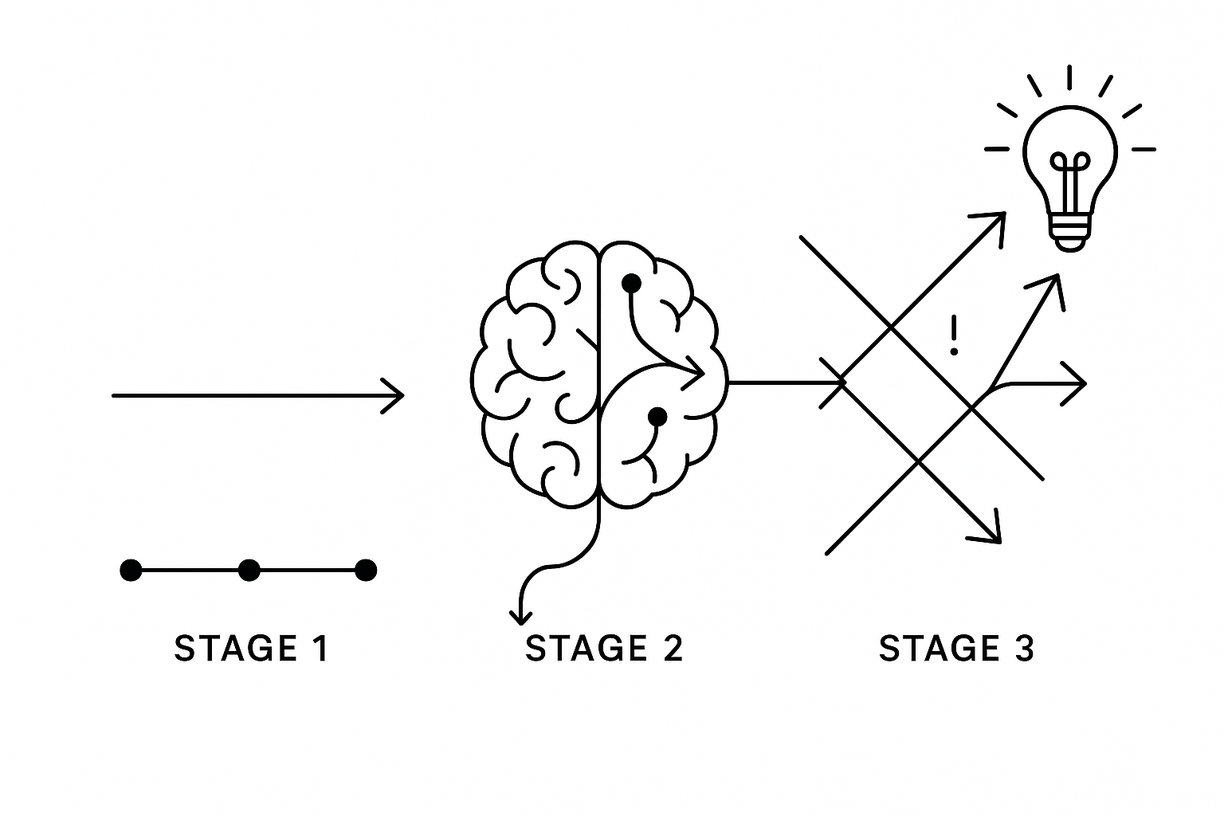
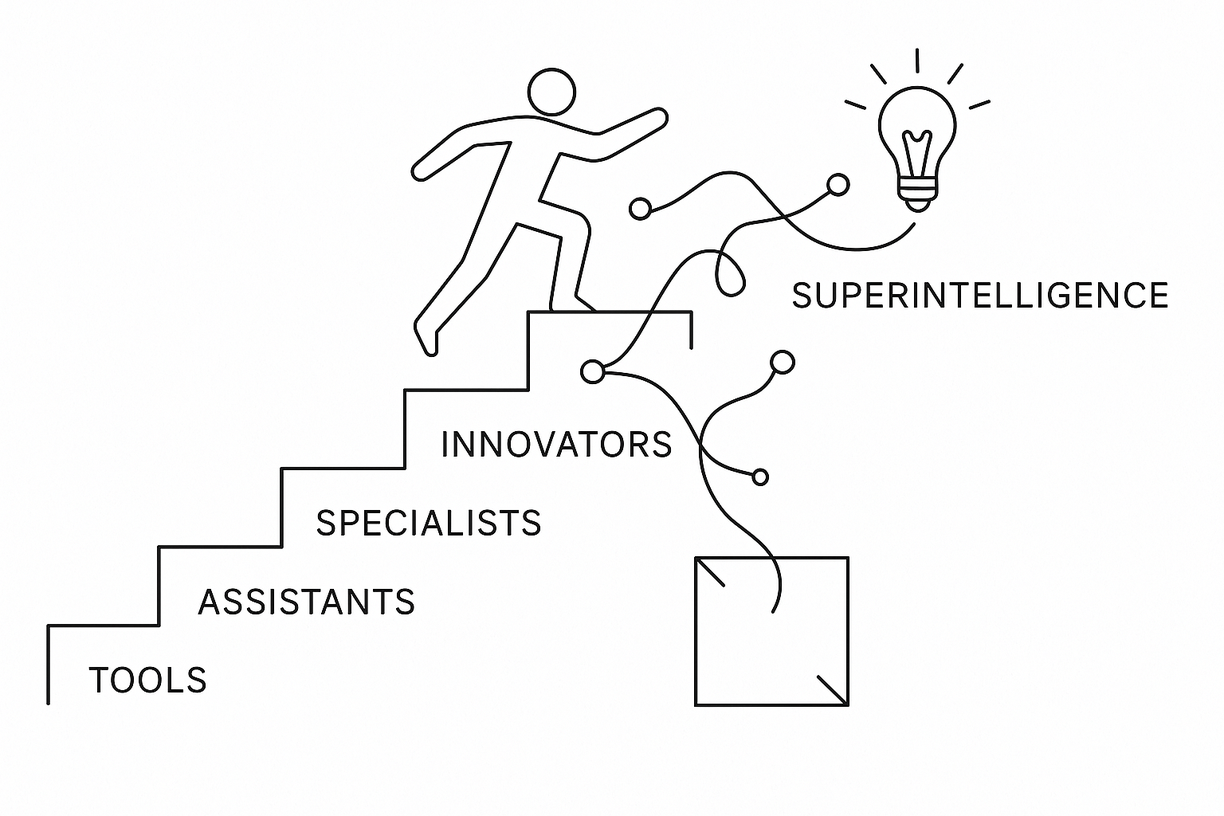
What separates intelligence from general intelligence?

Lateral thinking feels like magic. It’s where unexpected ideas connect, creativity sparks, and problems are solved with a leap of intuition. For humans, this ability defines some of our greatest innovations and “aha!”…

As I look toward the future of artificial intelligence, it’s clear that AI agents will serve as the cornerstone of the next era of business. These agents will fundamentally reshape how companies operate, interact with…

[Part 3 of a Three-Part Series respectively on the Past, Present, and Future of AI: A Non-Technical Exploration!]

[Part 2 of a Three-Part Series respectively on the Past, Present, and Future of AI: A Non-Technical Exploration!]

[Part 1 of a Three-Part Series respectively on the Past, Present, and Future of AI: A Non-Technical Exploration!]

Imagine a world where every human has their own intelligent cognitive agent—a Mindclone—trained on their beliefs, values, and drives. A world where interactions across people, platforms, and products aren’t driven by…

On the ethos that builds Olbrain — and the kind of people who belong inside it

At Olbrain Labs, people often ask us:
Everyone wants to build AI Agents.

Every few months, we’re asked:
When people ask what we’re building at Olbrain Labs, we clarify:
We’ve stopped asking: Can AGI be built?
Most people still equate AI with prediction.
A lot of people misunderstand what we’re building.
When we first deployed Olbrain in a simulated environment, it didn’t “know” anything.
When people talk about AGI, they often imagine a single, all-encompassing model of reality—a universal brain that “knows everything.”
No posts match these filters.